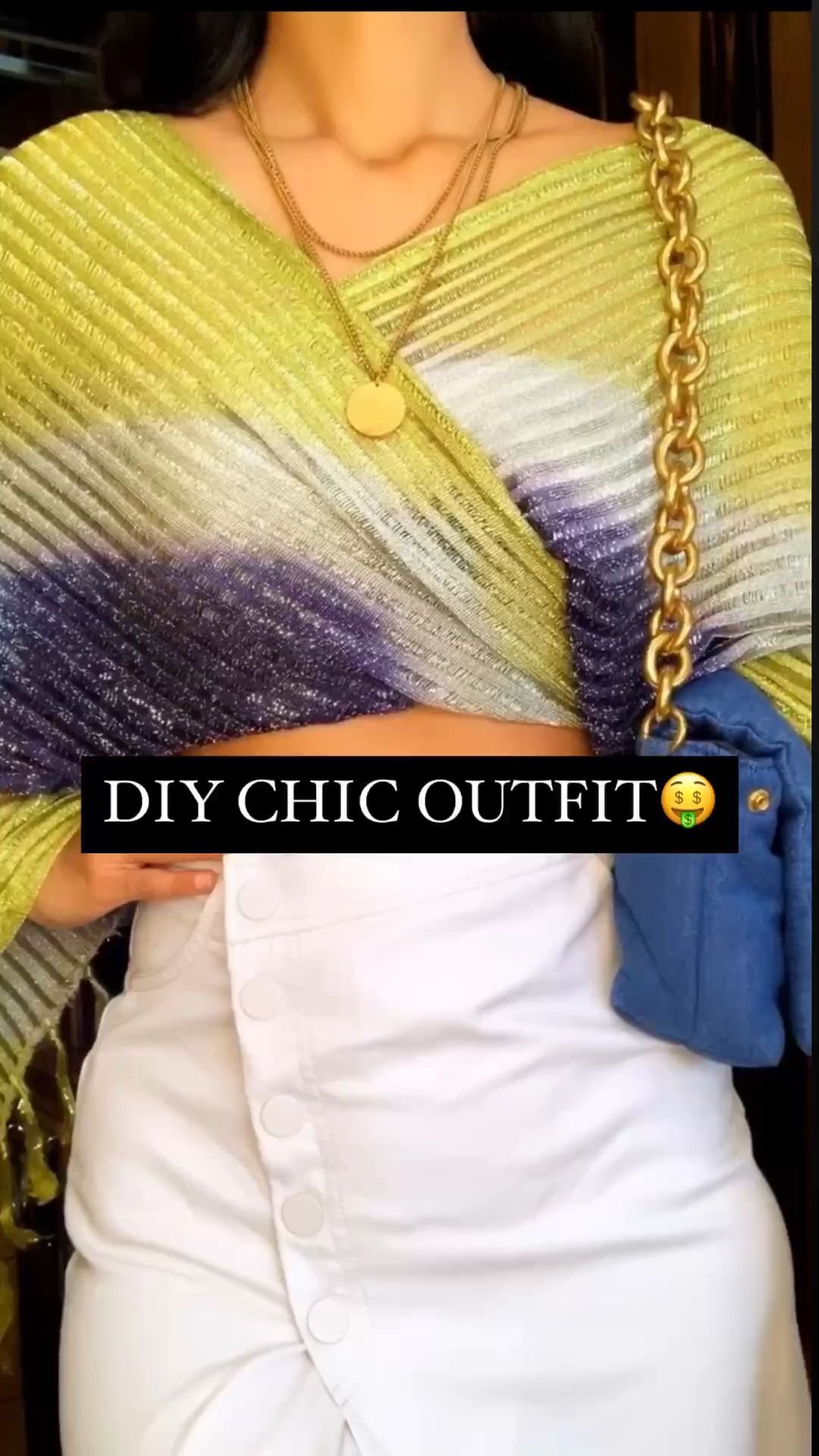
It’s a familiar scene: you walk into a store, hopeful for something that truly speaks to your style, only to find the same mass-produced trends staring back. Or perhaps you open your closet and feel a sense of disconnection, a lack of pieces that truly represent you. This feeling isn't unique; it's a common catalyst for exploring DIY & Manual Outfit Generation Techniques, a world where your wardrobe becomes a canvas for your creativity and a true reflection of your personality.
In an age of fast fashion, embracing the DIY ethos isn't just a craft; it's a statement. It’s about reclaiming your style narrative, saving money, and infusing your clothing with stories and soul that no off-the-rack item ever could. Whether you’re a complete novice or looking to refine your creative touch, this guide will unlock the secrets to crafting a wardrobe that’s authentically, undeniably yours.
At a Glance: Your Path to a Unique Wardrobe
- Reclaim Your Style: Stop settling for mass-produced trends and start creating pieces that reflect your unique personality.
- Save Money & Resources: Transform existing garments, thrift store finds, or inexpensive materials into high-fashion statements.
- Boost Your Creativity: Discover easy, hands-on techniques from no-sew hacks to basic alterations and even pattern drafting.
- Build Confidence: Wear clothes that truly fit your body and express your individuality, crafted by your own hands.
- Embrace Sustainability: Give new life to old clothes, reducing waste and contributing to a more mindful fashion ecosystem.
Why DIY Your Wardrobe? More Than Just Saving a Buck
The allure of DIY fashion extends far beyond the satisfaction of a handmade item. It's a holistic approach to personal style that offers profound benefits. You’re not just making clothes; you’re engaging in an act of self-expression, sustainability, and empowerment.
First, there's the undeniable uniqueness. As experts at Styles Weekly highlight, making your own items ensures you won't be wearing the "same capsule styles that you see in every mall." This desire to stand out, to avoid the sartorial echo chamber, is a powerful motivator. You’re creating pieces that literally don't exist anywhere else, guaranteeing an authentic look that's 100% you.
Then, consider the environmental impact. Fast fashion contributes significantly to waste and pollution. By repurposing old clothes, altering thrift store finds, or using fabric scraps, you’re actively participating in a more sustainable fashion cycle. It's about giving garments a second (or third!) life, reducing landfill waste, and lessening demand for new production.
Finally, there’s the joy of creation. The process itself—conceptualizing, designing, and bringing a garment to life—is incredibly rewarding. It builds confidence, teaches new skills, and offers a creative outlet that digital life often lacks. Plus, it’s a brilliant way to save money, transforming inexpensive finds or overlooked items from your own closet into fashion-forward pieces.
The Style Architect's Mindset: Seeing Potential Everywhere
Before you even pick up a pair of scissors, cultivate the right mindset. Think of yourself as a style architect, someone who sees the raw potential in everything from a forgotten scarf to an oversized jacket. This isn’t about slavishly copying trends; it's about seeing what could be.
This perspective shift is crucial. It means looking at a basic t-shirt and imagining a new neckline or envisioning different ways to wear denim, as Styles Weekly suggests. It's about asking:
- How can I make this piece uniquely mine?
- What small change would transform this garment?
- Can I combine elements from different styles?
Embrace experimentation. Don't be afraid to try new techniques, even if you’re inexperienced. Every renowned designer started somewhere, and your journey begins with curiosity and a willingness to play. The beauty of DIY is that mistakes are often just opportunities for improvisation, leading to even more unique results.
Your Toolkit for Outfit Generation: Essentials to Get Started
You don't need a full-blown sewing studio to begin your DIY fashion journey. Many powerful techniques require only a few basic items. Think of this as your foundational toolbox:
- Sharp Scissors: Invest in a good pair of fabric shears. They make clean cuts and save you frustration.
- Fabric Glue/Hemming Tape: For no-sew solutions, these are invaluable for quick fixes or temporary alterations.
- Hand Sewing Needles & Thread: A basic kit for buttons, small repairs, or simple decorative stitches.
- Measuring Tape: Essential for accurate alterations and planning.
- Fabric Markers/Chalk: For marking cutting lines or design placements.
- Pins: To hold fabric in place before cutting or sewing.
- Iron & Ironing Board: Crucial for crisp hems and professional finishes.
- Seam Ripper: Your best friend for correcting mistakes without damaging fabric.
For those ready to delve deeper, a sewing machine is a fantastic investment, opening up a world of possibilities from complex alterations to creating garments from scratch. But remember, many impactful techniques require no machine at all!
Unlocking Creativity: Foundational DIY Techniques
Let's dive into the practical side. These techniques range from super-fast, no-sew transformations to beginner-friendly alterations, proving you can create something funky and new even with just 10 minutes to spare.
1. The "No-Sew" Wonders: Instant Transformations
Sometimes, the most impactful changes require no needle and thread whatsoever. These are perfect for quick updates or if you’re just starting your DIY journey.
- Strategic Cutting:
- T-Shirt Transformations: Turn a plain tee into a stylish crop top, a side-slit tunic, or a trendy cut-out design. You can snip off sleeves, create a boat neck, or add fringe to the hem. Just remember to start small; you can always cut more, but you can’t put fabric back!
- Denim Distress: Carefully use scissors, sandpaper, or even a razor to create fashionable rips, frayed hems, or distressed patches on jeans. Look up tutorials for controlled distressing to avoid overdoing it.
- Fabric Painting & Dyeing:
- Custom Graphics: Use fabric paint or markers to add unique designs, quotes, or patterns to plain garments. Stencils can help achieve cleaner lines.
- Tie-Dye & Ombré: Revitalize old t-shirts, dresses, or even sheets with vibrant tie-dye patterns or elegant ombré effects. This is a fantastic way to cover stains or just introduce new color.
- Accessorizing with Adhesives:
- Patches & Pins: Iron-on patches and enamel pins are a super easy way to add personality to jackets, jeans, bags, or hats. Arrange them creatively for a custom look.
- Embellishments: Use fabric glue to attach rhinestones, pearls, sequins, or appliques for instant glam. Think strategically about placement to avoid a cluttered look.
- Tying & Draping:
- Scarf Styling: A simple scarf can transform an outfit. Tie it as a top, a belt, a headband, or weave it into your hair.
- Oversized Shirts/Dresses: Use belts, knots, or creative draping to give new shape to baggy garments. For instance, tie the bottom corners of an oversized t-shirt at your waist for a more fitted silhouette.
2. Basic Alterations: Stepping Into the Stitch
Once you're comfortable with no-sew methods, basic hand or machine sewing opens up a world of possibilities for customizing fit and adding details.
- Hemming & Shortening:
- Pants & Skirts: One of the most common alterations. Make long pants into capris, or give a skirt a fresh, modern length. This is an ideal beginner project for learning a straight stitch.
- Sleeves: Shorten long sleeves to three-quarter length or even turn a long-sleeved shirt into a short-sleeved one.
- Taking In & Letting Out:
- Waistlines & Seams: Make garments fit better by taking in side seams on dresses, skirts, or shirts. For garments that are too tight, carefully check if there's enough seam allowance to "let out" a bit of fabric.
- Adding Details:
- Buttons & Snaps: Replace plain buttons with unique, decorative ones, or add snaps for a functional and stylish closure.
- Trims & Ribbons: Sew lace, ribbon, or decorative trim onto hemlines, cuffs, or necklines to elevate a simple piece.
- Pockets: Add patch pockets to a skirt or dress for both style and utility.
Beyond the Basics: Pattern Hacking & Original Creations
For those feeling more adventurous, moving into pattern hacking or even drafting your own basic patterns takes DIY fashion to the next level. This is where you truly become a designer.
- Pattern Hacking: This involves modifying existing commercial patterns to create something new. For example:
- Combine the bodice of one dress pattern with the skirt of another.
- Add sleeves to a sleeveless top pattern.
- Change the neckline or hemline of an existing pattern.
- Extend a top pattern into a dress.
- Drafting Basic Patterns: While it sounds intimidating, basic pattern drafting for simple garments like skirts, tops, or even lounge pants can be quite accessible. Resources like SewGuide.com offer "easy-to-follow sewing tutorials for sewing your own clothes" and step-by-step guides from "drafting basic bodice patterns to customizing fits for dresses and tops." This empowers you to truly create garments from scratch, tailored perfectly to your measurements. Start with simple shapes:
- A-line Skirt: A straightforward first pattern.
- Basic T-Shirt: Once you understand how to draft a bodice, a simple t-shirt isn’t far behind.
- Pajama Pants: Excellent for practicing sewing straight lines and simple construction.
The key here is patience and practice. Don't expect perfection on your first try. Each project is a learning opportunity.
Sourcing Your Style Canvas: Where to Find Materials
The beauty of DIY fashion is that your materials can come from almost anywhere. This makes the process incredibly budget-friendly and sustainable.
- Your Own Closet: The first stop should always be your existing wardrobe. Look for:
- Items you no longer wear but like the fabric.
- Garments that don't fit well but have potential.
- Clothes that are stained or damaged in a small area but salvageable.
- Thrift Stores & Charity Shops: These are treasure troves for inexpensive garments and fabrics. Styles Weekly notes you can find "items from local thrift stores" to repurpose. Look for:
- Oversized items: Easier to take in than let out.
- Quality fabrics: Even if the style is outdated, good fabric is worth gold.
- Unique prints or embellishments: That you can cut out and apply to other items.
- Fabric Stores: For specific projects or when you want new fabric, local fabric stores or online retailers offer a vast selection. Look for sales and remnants bins for bargains.
- Upcycled Home Textiles: Don't overlook old bedsheets, tablecloths, or curtains. They often come in large pieces of good quality fabric perfect for practice projects or even new garments.
Fueling Your Creativity: Finding Outfit Inspiration
Even the most seasoned style architects need a spark. Inspiration is everywhere, and incorporating it effectively is part of the "outfit generation" process.
- Fashion Magazines & Blogs: Look for silhouettes, color palettes, and styling ideas that resonate with you. Don't copy exactly, but draw inspiration from professional stylists.
- Social Media (Pinterest, Instagram): Create mood boards, save images, and follow accounts that showcase creative styling and DIY projects.
- Everyday Observations: Pay attention to what people are wearing on the street, in movies, or at events. What catches your eye? Why?
- Historical Fashion: Dive into different eras for unique shapes, details, and construction methods that you can modernize.
- Nature & Art: Sometimes inspiration comes from unexpected places—a color combination in a painting, the texture of a leaf, or the pattern of a mosaic.
And when you're feeling stuck, or just want to playfully explore new combinations, sometimes a little nudge can help. You might be surprised at the fresh ideas that can come from a simple prompt, which is exactly where Our random outfit generator comes in handy to spark unexpected pairings and push you out of your comfort zone. It's a fun way to experiment with concepts you might not have considered on your own.
Common Pitfalls and How to Sidestep Them
Embarking on a DIY fashion journey is exciting, but it's also prone to a few common hurdles. Awareness is your best defense.
- Rushing the Process: Impatience often leads to mistakes. Take your time, especially with measuring, cutting, and pinning. "Measure twice, cut once" is a mantra for a reason.
- Overcomplicating Your First Projects: Start with simple alterations or no-sew hacks. Trying to create a complex ball gown as your first project will likely lead to frustration. Build your skills incrementally.
- Poor Fabric Choice: Not all fabrics are created equal, especially for beginners. Stretchy knits can be notoriously difficult to sew straight. Start with stable woven fabrics like cotton, linen, or denim.
- Skipping the Pre-Wash: Always wash and dry your fabric (or thrifted garment) before you cut or sew. This pre-shrinks the fabric, preventing your finished item from shrinking later.
- Ignoring the Iron: Pressing your seams as you sew, and ironing your finished garment, makes a huge difference in the professional appearance of your work. Don't skip this step!
- Fear of Imperfection: Your creations don't have to be perfect. The beauty of DIY is the handmade touch. Embrace the slight irregularities as part of its charm and uniqueness. Remember, "the whole point is to have fun and be creative to create clothes that are 100% you," as Styles Weekly reminds us.
Frequently Asked Questions About DIY Outfits
New to the world of DIY fashion? Here are answers to some common queries to help you get started.
Is it really hard to make my own clothes?
No! It's as hard or as easy as you make it. You can start with super simple projects like cutting a t-shirt, adding patches, or hemming pants, which require minimal skill. As you gain confidence, you can gradually move to more complex sewing. Many beginner-friendly tutorials are available (like those on SewGuide.com) that guide you step-by-step.
Do I need a sewing machine to start DIY fashion?
Absolutely not! Many impactful and fashionable transformations can be done with no sewing at all—think cutting, tying, fabric painting, or using fabric glue. A sewing machine is a fantastic tool for efficiency and more complex projects, but it's not a prerequisite for dipping your toes into DIY style.
How long does it take to make a DIY outfit?
It varies wildly! Some projects, like adding a patch or cutting a t-shirt, can take as little as 10 minutes. More involved alterations might take an hour or two. Creating a garment from scratch using a pattern could take several hours or even a few days, depending on your skill level and the complexity of the design.
What kind of fabrics are best for beginners?
Start with stable woven fabrics that don't stretch much, like cotton (quilting cotton, broadcloth), linen, or denim. These are easier to cut accurately and sew in a straight line. Avoid slippery fabrics like satin or stretchy knits until you've built up some confidence.
Where can I find patterns if I don't want to draft my own?
Commercial sewing patterns from brands like Simplicity, McCall's, or Butterick are widely available at fabric stores and online. Look for patterns marked "easy" or "beginner." There are also many independent pattern designers online who offer well-documented tutorials.
Your Style, Your Rules: The Ultimate Creative Freedom
The world of DIY and manual outfit generation techniques is a vast, rewarding landscape. It’s a space where constraints become challenges, and old clothes transform into new treasures. By embracing these techniques, you’re not just saving money or avoiding generic trends; you’re investing in yourself, developing new skills, and crafting a personal style that is as unique and vibrant as you are.
So, go ahead. Browse your closet, hit up that thrift store, or gather some simple supplies. Don't be frightened of new techniques; everyone has to start somewhere. The journey to a wardrobe that truly reflects your spirit begins with that first cut, that first stitch, or that first splash of paint. Your style is waiting to be created—by you.