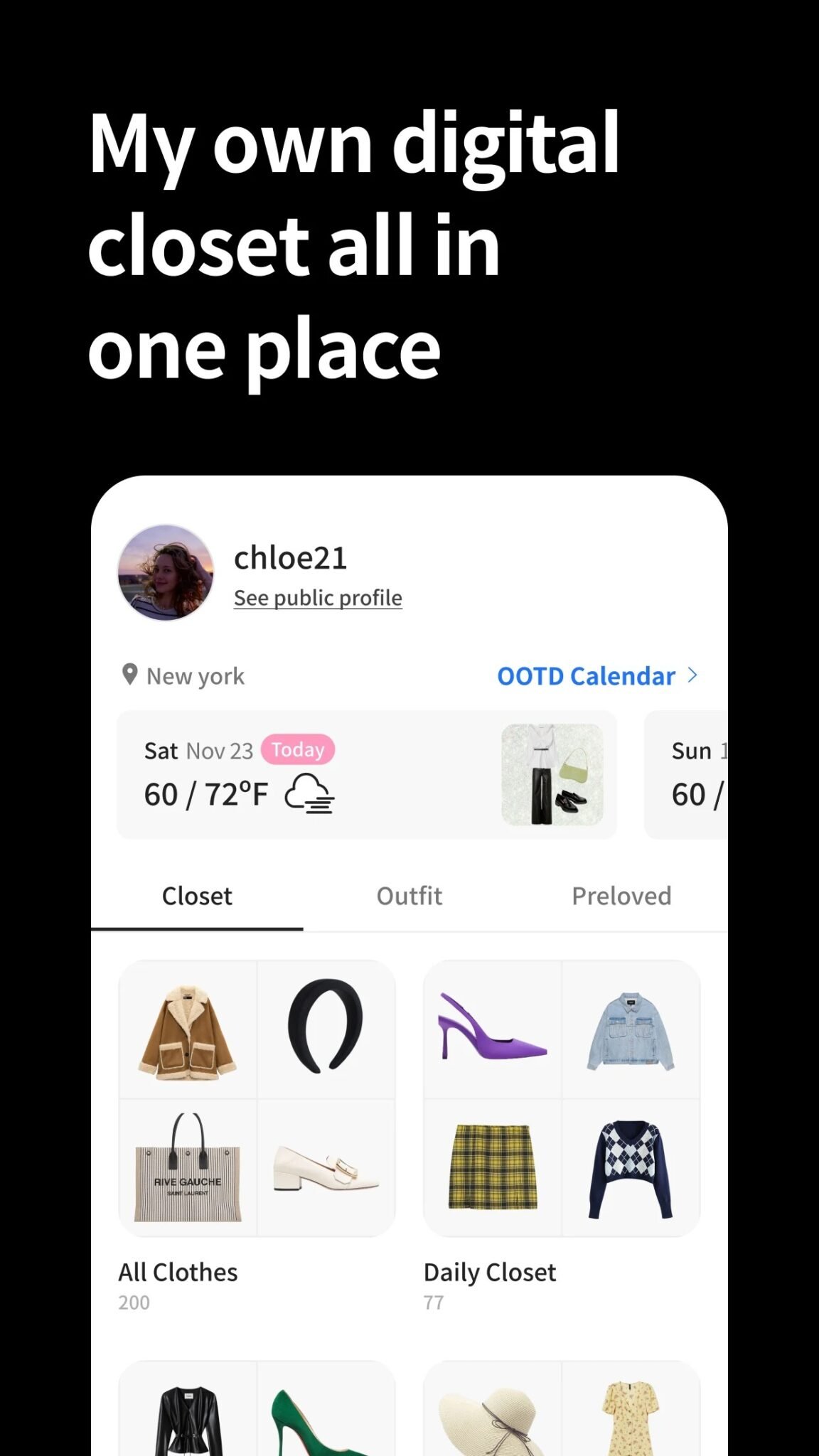
Ever stared blankly at your closet, a sea of clothes, yet felt you had absolutely nothing to wear? It's a universal struggle, whether you're prepping for a high-stakes business meeting, a casual coffee date, or a friend's beach wedding. What if you had a personal stylist whispering perfect ideas into your ear, perfectly suited for the moment? That's precisely the magic behind Outfit Generators for Specific Occasions & Styles, powerful AI tools designed to banish wardrobe indecision and unlock your true fashion potential.
These aren't just glorified digital flip-books; they're sophisticated AI companions that understand fashion trends, color coordination, and personal preferences, transforming your vague ideas into concrete, stylish ensembles. Ready to discover how to dress smarter, not harder? Let's dive in.
At a Glance: Your AI Fashion Assistant
- What they are: AI tools that suggest personalized outfit ideas for specific events, styles, or even individual clothing items.
- How they work: You describe your desired look (e.g., "formal wedding guest attire"), customize settings, and the AI generates image-based outfit suggestions.
- Key benefits: Saves time, sparks creativity, helps plan wardrobes, discovers new styles, and provides shopping inspiration.
- Best results: Be highly specific in your prompts, including details like occasion, season, colors, items, accessories, and even referencing fashion styles or influencers.
- Versatility: Supports a wide range of styles (casual, formal, business, streetwear, bohemian, vintage) and occasions (work, dates, weddings, casual outings).
Your Digital Stylist: The Evolution of Outfit Planning
For years, we’ve relied on fashion magazines, Pinterest boards, or perhaps a particularly stylish friend for wardrobe inspiration. While helpful, these sources often offer generalized advice or require significant effort to adapt to your unique needs. Enter the modern outfit generator, a game-changer in how we approach daily dressing and special event planning.
Think of an AI outfit generator as having a fashion expert on call 24/7. It's not just about throwing random items together – if you're looking for a simple mix-and-match, a random outfit generator might suffice. But for precision and true personalization, these advanced tools go a step further. They act as sophisticated personal stylists, understanding not just what's "in" but also how to combine pieces to flatter, convey a specific mood, and perfectly suit the context. Whether you're a fashion enthusiast, a busy professional, or simply someone looking to streamline their morning routine, these generators offer an unprecedented level of personalized guidance.
Beyond the Basics: Why Specificity Matters in Style
The true power of these AI tools lies in their ability to cater to specific needs. A generic suggestion for "a party outfit" might be too broad. But an outfit generator that understands you need "a chic, understated cocktail dress for a winter corporate gala, suitable for a petite frame, in jewel tones" is where the magic truly happens.
By focusing on specific occasions and styles, these generators unlock several critical advantages:
- Precision and Confidence: No more guesswork. You get suggestions tailored exactly to your event, ensuring you're appropriately and stylishly dressed.
- Trend Awareness: The AI is constantly learning and incorporating current fashion trends, color palettes, and silhouette preferences, keeping your look fresh and relevant.
- Wardrobe Optimization: Discover new ways to combine existing pieces, extending your wardrobe's versatility without buying new items.
- Overcoming Style Ruts: Break free from your usual go-to outfits and explore new styles you might not have considered.
- Shopping Efficiency: Get targeted inspiration for specific pieces you might need, making shopping trips more purposeful.
This specificity transforms the outfit generation process from a novelty into an invaluable daily resource, empowering you to approach any occasion with confidence and flair.
How These AI Stylists Work Their Magic: A Step-by-Step Guide
Using an AI outfit generator is surprisingly intuitive, designed to mimic a conversation with a real-life stylist. Here’s a typical workflow:
- Describe Your Vision/Prompt: This is where you lay the groundwork. The more detailed you are, the better. Think about the occasion, the desired style, and any specific elements you have in mind.
- Example: "Casual summer outfit for a brunch with friends," or "Formal wedding guest attire for an outdoor spring wedding in Tuscany."
- Customize Settings: Many generators allow you to further refine your request with specific filters. You might select preferences for:
- Style: Business casual, streetwear, bohemian, minimalist, vintage, etc.
- Occasion: Work, date night, festival, gym, travel.
- Season/Weather: Summer, winter, rainy day, hot weather.
- Fit: Relaxed, tailored, oversized.
- Generate Outfit: With your parameters set, the AI gets to work. It rapidly processes your input, sifting through countless fashion data points, trends, and item combinations to produce visual representations of complete outfits. These typically appear as images, showcasing the proposed garments, accessories, and even footwear.
- Refine & Download: Review the initial suggestions. Does something not quite hit the mark? This is your chance to iterate. You can often refine your prompt, asking for adjustments:
- "Change the color of the blazer to emerald green."
- "Swap the heels for stylish flats."
- "Make the dress more flowy."
Once you're happy, you can download the final image for future reference, share it with friends, or use it as inspiration for your next shopping trip.
The beauty of this iterative process is that it allows you to truly collaborate with the AI, honing in on the perfect look until it aligns perfectly with your vision.
Mastering the Prompt: Crafting Your Perfect Vision
The secret sauce to getting exceptional results from an outfit generator lies in the quality of your prompt. Think of it as instructing a highly skilled artisan – the more precise your blueprints, the closer the final product will be to your dream.
Here’s how to craft prompts that yield stunning, spot-on outfit suggestions:
1. Be Specific: Details Make the Difference
Don't just say "a dress." Describe the kind of dress.
- Colors: "Monochromatic outfit in various shades of cream," "bold color-blocked look with fuchsia and orange," "earthy tones for autumn."
- Specific Pieces: "Wide-leg linen trousers with a fitted knit top," "oversized blazer paired with a slip skirt," "dark wash straight-leg jeans with a graphic tee."
- Style Elements: "Utilitarian pockets," "ruffled sleeves," "asymmetrical hemline," "structured silhouette," "soft draping."
2. Consider the Occasion: Context is King
The event dictates the formality, practicality, and overall vibe of an outfit. Be explicit.
- Formal Event: "Black-tie wedding," "gala dinner," "opera opening night."
- Semi-Formal/Cocktail: "Company holiday party," "engagement celebration," "upscale restaurant date."
- Casual: "Weekend farmers' market trip," "picnic in the park," "casual Friday at the office."
- Work/Business: "Client presentation," "daily office wear," "business casual conference."
3. Factor in Weather & Season: Comfort Meets Style
No one wants to be shivering in a sundress or sweating in a wool suit.
- Season: "Light layers for spring," "cozy winter outfit," "breezy summer ensemble," "transitional autumn look."
- Weather: "Rainy day chic," "outfit for hot and humid weather," "snowy day stylish, but warm."
- Temperature: "Outfit suitable for 60°F (15°C) and windy."
4. Reference Specific Fashion Styles or Influencers: A Visual Language
If you have a particular aesthetic or someone whose style you admire, use it as a reference. This helps the AI understand the visual direction.
- Styles: "Bohemian festival look," "1970s disco glam," "modern minimalist aesthetic," "preppy collegiate style," "streetwear-inspired with an edgy twist."
- Influencers/Eras: "Outfit inspired by Audrey Hepburn's elegance," "Kendall Jenner's off-duty style," "vintage Parisian chic from the 1950s."
5. Don't Forget Accessories: The Finishing Touches
Accessories elevate an outfit from good to great. Include them in your prompt.
- Footwear: "Chunky loafers," "strappy sandals," "white sneakers," "knee-high boots."
- Jewelry: "Statement earrings," "delicate layered necklaces," "chunky gold bracelet."
- Bags: "Crossbody bag," "structured tote," "clutch," "backpack."
- Other: "Wide-brim hat," "silk scarf," "oversized sunglasses," "belt to cinch the waist."
Pro Tip: Start broad, then refine. If your first attempt isn't quite right, adjust your prompt. Add more details, specify colors, or change an item. The more you interact and refine, the better the AI learns your preferences and the more precise its outputs become.
Unlocking Style: Occasions & Aesthetics Covered
The versatility of these AI outfit generators is truly impressive. They aren't limited to one genre of fashion; rather, they serve as an expansive style library, ready to interpret your every whim.
A Spectrum of Fashion Styles:
- Casual: Think effortless comfort – perfect for errands, lounging, or relaxed gatherings. Jeans, t-shirts, sneakers, simple layering.
- Formal: From black-tie events to white-tie galas, requiring specific dress codes like evening gowns, tuxedos, and sophisticated accessories.
- Business: Encompassing everything from traditional corporate attire (suits, blazers, dress pants) to modern business casual (tailored separates, smart dresses).
- Streetwear: Edgy, urban, and often comfort-driven, featuring hoodies, sneakers, graphic tees, and bold accessories.
- Bohemian: Flowy fabrics, earthy tones, artisanal details, and a relaxed, free-spirited vibe.
- Minimalist: Clean lines, neutral palettes, simple silhouettes, and a focus on quality over quantity.
- Vintage: Drawing inspiration from specific decades like the roaring '20s, the swingin' '60s, or the disco '70s.
Recommendations for Diverse Occasions: - Work & Professional Settings: Whether it's a daily office look, an important presentation, or a networking event, the generator can craft appropriate and polished ensembles.
- Dates & Social Gatherings: From a cozy coffee date to a fancy dinner, it can help you strike the right balance of inviting and stylish.
- Weddings & Celebrations: Navigate the nuances of wedding guest attire – from destination weddings to formal church ceremonies – with ease.
- Casual Outings & Errands: Even for everyday tasks, why not look effortlessly put-together?
- Travel: Plan capsule wardrobes that are versatile, comfortable, and chic for any destination.
No matter the season or weather – be it a scorching summer day or a crisp winter evening – these tools factor in environmental conditions to ensure your suggested outfits are both fashionable and functional. The ability to instantly download and share these ideas further enhances their utility, making them a collaborative tool for planning with friends or clients.
The Perks of Your AI Wardrobe Assistant
Embracing an AI outfit generator does more than just solve the "what to wear" dilemma; it unlocks a host of creative and practical benefits for a wide range of users.
- Discover New Style Combinations: Often, we get stuck in a rut, pairing the same tops with the same bottoms. These generators encourage experimentation, suggesting novel ways to combine pieces you already own or inspiring you to try new silhouettes and color pairings.
- Generate Inspiration for Clients: Professional stylists, personal shoppers, or even retail associates can use these tools to quickly pull together mood boards and specific outfit concepts for their clients, streamlining their workflow and presenting diverse options.
- Create Fashion Content: Bloggers, influencers, and content creators can leverage AI to generate unique outfit ideas for posts, videos, or lookbooks, keeping their content fresh and engaging without relying solely on physical wardrobe changes.
- Showcase Products: For fashion brands and e-commerce platforms, these generators can visualize how individual product items look as part of a complete outfit. This helps customers imagine themselves wearing the clothes, potentially increasing conversion rates.
- Daily Personalized Outfit Inspiration: For everyday users, it's like having a fashion advisor at your fingertips each morning. It can consider your personal preferences, the day's weather, and your schedule to offer tailored suggestions, making dressing less stressful and more enjoyable.
- Commercial Rights & Flexibility: A significant advantage of many generators is that users often own full commercial rights to the designs they create. This means you can use the generated outfits for personal blogs, social media, client work, or even product design without worrying about usage restrictions. This opens up new avenues for creative professionals and businesses alike.
Beyond Inspiration: Practical Applications for Every Wardrobe
While the initial appeal might be personal style inspiration, the practical applications of AI outfit generators stretch much further, benefiting various individuals and industries.
- For the Individual:
- Wardrobe Planning: Planning outfits for an entire week, a vacation, or a specific event becomes a breeze. You can pre-visualize looks, ensuring versatility and minimizing last-minute stress.
- Shopping Smarter: Instead of buying impulse items, generate outfits around a specific piece you want or need, then use the suggestions to guide your purchases, creating a cohesive wardrobe.
- Capsule Wardrobe Building: Experiment with different combinations from a limited number of items to see how many distinct looks you can create, maximizing the utility of your clothing.
- For Aspiring Fashion Designers & Students:
- Concept Development: Rapidly iterate on design ideas, explore different fabric textures and colors, and visualize how garments interact within an ensemble.
- Portfolio Building: Create diverse and professional-looking outfit sketches for portfolios without needing advanced drawing skills or expensive photoshoots.
- For Fashion Retailers & E-commerce:
- Product Styling: Generate model-quality outfit images to showcase products on websites and social media, helping customers envision items in context.
- Personalized Recommendations: Integrate AI generators into shopping experiences to offer tailored outfit suggestions based on a customer's browsing history or previous purchases.
- For Event Planners & Themed Parties:
- Costume Design: Brainstorm unique and accurate period or themed outfits for events, plays, or photo shoots.
- Dress Code Guidance: Provide visual examples to guests for specific dress codes, ensuring everyone understands the desired aesthetic.
The ability to generate multiple variations of outfits based on a single prompt also means you're not stuck with just one idea. You can explore a spectrum of possibilities, tweak details, and ultimately arrive at an outfit that perfectly resonates with your style and the demands of the occasion.
Common Questions & Smart Answers About Outfit Generators
Navigating new technology often comes with questions. Here are some common queries about AI outfit generators, answered concisely:
Q: Do I need to be a fashion expert to use these generators?
A: Absolutely not! They are designed for everyone. The more descriptive you can be, the better, but even simple prompts can yield inspiring results. Think of it as learning with your AI; the more you use it, the better it understands your style.
Q: How accurate are the outfit suggestions?
A: The accuracy largely depends on your prompt's specificity and the AI's training data. Highly detailed prompts lead to highly accurate and relevant suggestions. The AI is constantly evolving, understanding trends and color coordination better with each iteration.
Q: Can I use these outfits for commercial purposes?
A: Many popular AI outfit generators grant users full commercial rights to their generated designs, with no usage restrictions. However, always check the specific terms of service for the platform you are using to confirm.
Q: Are these generators easy to use for beginners?
A: Yes. Most platforms prioritize user-friendly interfaces with clear input fields for prompts and customizable settings. The process is generally straightforward: describe, customize, generate, refine.
Q: Do they only suggest outfits with clothes I already own?
A: Not necessarily. While you can prompt for specific items you own, the primary function is to provide inspiration. You can then try to replicate the look with your existing wardrobe, or use it as a shopping list for new pieces.
Q: What if the AI generates something I don't like?
A: That's part of the refinement process! Simply adjust your prompt. Add more constraints ("less formal," "different color shoes") or remove elements you dislike ("no skinny jeans"). You can typically generate multiple variations until you find a look you love.
Choosing the Right Outfit Generator for You
With a growing number of AI outfit generators available, how do you pick the best one for your needs? Consider these factors:
- Interface and Ease of Use: Look for a platform with an intuitive design that makes prompting and refining suggestions simple. You want to focus on style, not on deciphering complicated menus.
- Range of Styles and Occasions: Ensure the generator supports the specific fashion styles and types of occasions you're most interested in. Some may excel at streetwear, while others might specialize in formal wear.
- Customization Options: Check for robust customization settings for season, fit, specific clothing items, colors, and accessories. The more control you have, the better.
- Image Quality and Realism: The visual output should be clear, detailed, and realistic enough to give you a true sense of the outfit.
- Refinement Capabilities: Can you easily make iterative changes to prompts? Does it offer variations? The ability to tweak and regenerate is crucial for personalization.
- Cost: While many offer free tiers, some advanced features or higher generation limits might come with a subscription. Determine what features are worth paying for based on your usage needs.
Experiment with a few different generators if possible. Many offer free trials or basic versions that allow you to test their capabilities before committing.
Stepping Out in Style: Your Next Steps
The world of Outfit Generators for Specific Occasions & Styles is an exciting frontier for anyone looking to simplify their daily routine, unleash their creativity, or just look their absolute best. You now have the knowledge to harness these powerful AI tools to transform your wardrobe experience.
Instead of dreading the "what to wear" question, embrace it as an opportunity to co-create stunning looks with your digital stylist. Start small: pick one challenging occasion you have coming up – perhaps a semi-formal event or a tricky business casual day – and experiment with a generator. Play with different prompts, refine your choices, and see what incredible outfits emerge. The more you engage, the more your AI stylist learns your unique flair, making every day an opportunity to step out with confidence, perfectly dressed for the moment. Your perfect outfit is just a prompt away.